
Dealing with woodworm issues at home? With the right tools and basic DIY knowledge, you can treat most woodworm problems yourself. Follow this step-by-step guide to remove wood-boring insects and stop them coming back—for good.
Read on to find out all you need to know.
Types of Woodworm in the UK
In the UK, three main types of woodworm beetles can damage timber. Below, you’ll find pictures and key signs to help you identify each one and understand the kind of damage they cause.
1. Common Furniture Beetle
The most widespread type. When people say “woodworm,” they usually mean this beetle.
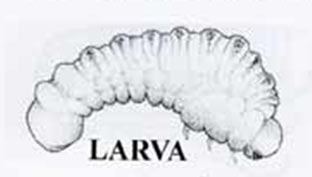
Common Furniture Beetle larva
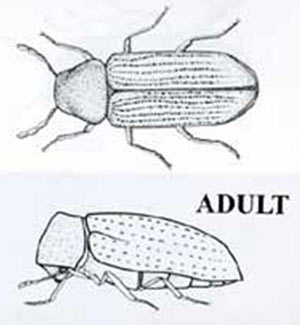
Adult Common Furniture Beetle
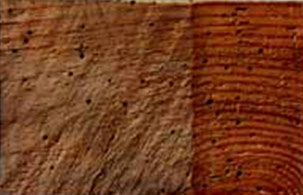
Timber damage from Common Furniture Beetle
2. House Longhorn Beetle
Much rarer but highly destructive. Found mainly in southern England. More on this troublesome bug below.
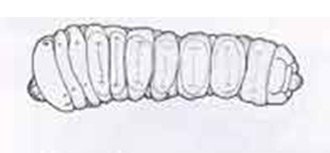
House Longhorn Beetle larva
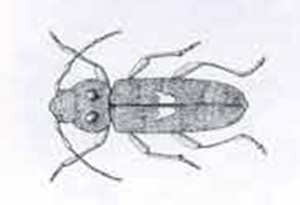
Adult House Longhorn Beetle
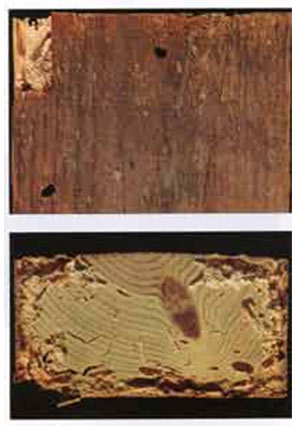
Damage from House Longhorn Beetle
3. Deathwatch Beetle
Known for the ticking sound it makes. It targets old hardwoods, especially in historic buildings. More on how to deal with this little pest below.
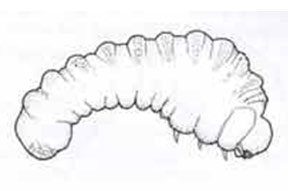
Deathwatch Beetle larva
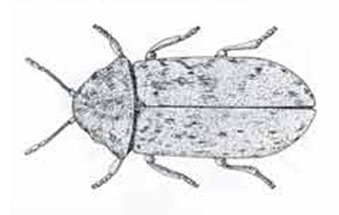
Adult Deathwatch Beetle
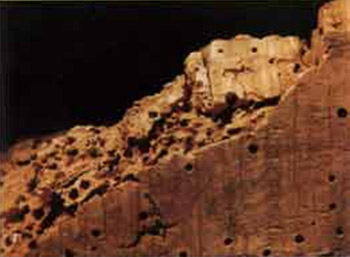
Timber damage from Deathwatch Beetle
Despite the name, woodworm are actually beetles. The term “worm” refers to the larva stage, which looks like a tiny grub or maggot and does the real damage by boring into wood.
Is Woodworm Still Active? Key Signs to Look For
Many people think woodworm is gone once holes appear in the wood, but that’s not always true. Those holes just show that one beetle has left. In reality others may still be inside and adult beetles can return to lay more eggs, restarting the cycle.
To check if woodworm is still active, look for fresh signs of frass, a fine, dust-like substance that resembles sawdust. It usually collects near holes or under infested furniture.
Beetles prefer to lay eggs in untreated or worn wood, especially where the finish has faded and moisture levels are high. That’s why woodworm often shows up in older furniture stored in damp rooms.
Even if conditions aren’t ideal, woodworm can still take hold. So don’t ignore the signs just because your home feels dry, infestations can still spread if left untreated.
If you spot woodworm in furniture, or any other timber, act quickly. The beetles may soon move to nearby timbers like joists or beams, where the damage can become far more serious. Early treatment is the best way to stop it spreading.
We once helped a tenant in Somerset who caught emerging beetles in a jar to prove to her landlord the infestation was ongoing. It worked and the wood was treated.
If wood was affected once, it’s likely to attract woodworm again unless properly treated. Infestations also often appear alongside damp issues, which weaken timber and make it more inviting to pests.
Is Woodworm a Serious Problem?
Yes, woodworm can be a very serious problem, especially if left untreated. While a few tiny holes might not look like much at first, they often point to a deeper infestation inside the wood. Over time, wood-boring beetle larvae eat through timber, weakening the structure from within.
In homes across the UK, woodworm is commonly found in floorboards, loft timbers, joists and antique furniture. If ignored, the damage can spread, leading to costly repairs or even structural issues in severe cases. It’s especially serious in older properties or where damp conditions are present, as these provide the perfect environment for the beetles to thrive.
The good news is that if spotted early, most woodworm infestations can be treated effectively using DIY methods or professional help. Acting quickly not only stops the spread but also helps protect the value and safety of your home.
As with any timber pest, early diagnosis is key. Look for telltale signs like fresh exit holes, fine sawdust (called frass), or crumbling wood. If you’re unsure, it’s best to seek advice or book a survey to confirm if the infestation is still active.
Woodworm and Mortgages: What You Need to Know
If you’re buying a home and a survey reveals woodworm, it can affect your mortgage, especially if the infestation is active or widespread. Most UK lenders will still offer a mortgage, but they may request a specialist report or ask for the woodworm to be treated before completion.
Mortgage valuers are trained to spot signs of timber damage. If woodworm is flagged in the property survey, the lender might issue a retention. This means part of the mortgage funds will be held back until treatment is carried out and confirmed by a qualified contractor.
In many cases, treating woodworm is straightforward and affordable, especially if caught early. A timber specialist can inspect the property and provide a treatment certificate, which is often enough to satisfy the lender’s conditions.
If you’re selling, it’s wise to check for signs of woodworm in advance. Sorting it before listing can speed up the sale and avoid delays with mortgage approval.
Can Woodworm Spread?
Yes, woodworm can spread, especially if the conditions are right. Wood-boring beetles lay their eggs in untreated or damp wood, and when those eggs hatch, the larvae burrow deeper, feeding on the timber. Once they mature and leave the wood, they can fly short distances to nearby timber and start the cycle again.
This means that if you have woodworm in one part of your home, such as in furniture, loft joists, or floorboards, it could eventually move to other areas if not dealt with quickly. It’s especially important to act fast if the timber is old, damp, or untreated, as this creates the ideal environment for an infestation to grow.
The good news is that woodworm spreads slowly and can usually be stopped in its tracks with the right treatment. A simple DIY treatment or professional inspection can prevent further damage and protect surrounding wood from becoming infested.
If you’ve spotted signs of woodworm—like tiny holes, fine sawdust (frass), or crumbling edges, check nearby timber and furniture too. Early action helps prevent the problem from spreading and saves money on repairs in the long run.
The Woodworm Lifecycle
Understanding the woodworm lifecycle is key to spotting an infestation early and treating it effectively. Despite the name, woodworm are not worms at all, they’re the larval stage of wood-boring beetles. These beetles go through a four-stage lifecycle: egg, larva, pupa, and adult.
It starts when an adult beetle lays eggs in cracks, joints or exposed wood grain. After a few weeks, the eggs hatch into tiny larvae, this is the “woodworm” stage. These grubs tunnel deep into the timber, feeding on it for up to five years depending on the species and conditions.
Once fully grown the larvae form a pupa and eventually emerge as adult beetles. This is when small round exit holes appear in the wood, along with fine dust known as frass. The adults then leave the timber to mate and lay eggs elsewhere, restarting the cycle.
In the UK, most beetles emerge during the warmer months, typically from May to September. This is the time when infestations are easiest to spot. Early detection and treatment can break the cycle before it spreads to other parts of your home.
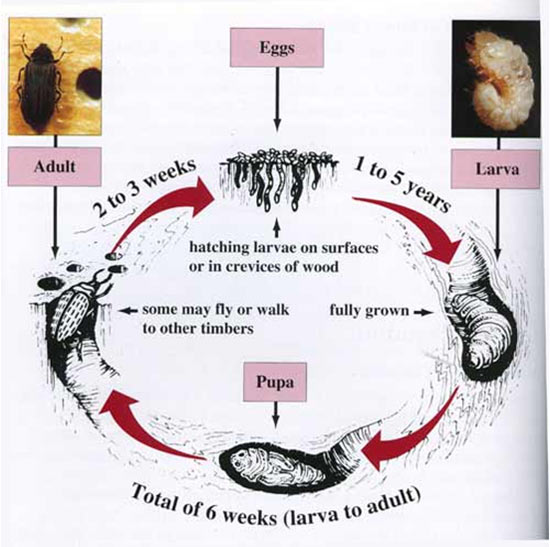
The lifecycle of the Common Furniture Beetle or Woodworm
Types of Woodworm Infestation
In the UK, not all woodworm infestations are the same. Different types of beetles cause different levels of damage, depending on the species, the type of wood, and how long the problem has gone untreated. Knowing the type of infestation you’re dealing with is the first step to treating it properly.
Light Infestation
A light infestation usually affects surface-level timber like skirting boards or furniture. You may notice a few exit holes and small amounts of frass (a fine, powdery dust). This type is often caused by the Common Furniture Beetle and can usually be treated with DIY products.
Active Infestation
An active infestation means the larvae are still feeding inside the wood. You might see fresh dust near holes, weak or crumbling timber, and signs of beetles emerging during warmer months. This can affect floors, beams and roof timbers and may need professional treatment if widespread.
Severe or Structural Infestation
This type involves major damage to structural timbers like joists or roof supports. It’s often caused by more aggressive species like the House Longhorn Beetle or Deathwatch Beetle. Signs include deep tunnels, sagging wood, and large exit holes. Professional inspection and treatment is essential.
Woodworm and Damp
Woodworm doesn’t need damp to survive, but it thrives in moist timber. Damp floorboards, loft joists and unventilated areas are ideal breeding grounds, especially in older UK homes.
Beetles prefer untreated or worn wood, making furniture with faded polish or damp storage conditions a common target. Since this is easier to inspect, infestations are often spotted in furniture first.
Even in drier conditions, woodworm can still be active. Don’t assume your home is safe just because it feels dry, if there’s exposed timber, beetles may still lay eggs.
If you find signs of woodworm in one area, act fast. Left untreated, it can quickly spread to nearby timbers and cause much more serious damage. Early treatment is the best defence.
Woodworm Treatment – How to Get Rid of the Common Furniture Beetle
For DIY woodworm control, a quality off-the-shelf treatment from a UK DIY store, such as Cuprinol Woodworm Killer, is often the best choice. Look for products that penetrate deeply, protect against multiple pests, and prevent re-infestation for as long as possible.
Most modern treatments are water-based with low VOC (volatile organic compound) levels, but they still require care. Always wear full PPE—gloves, goggles, and a mask and keep children and pets away until the area is safe.
Follow the manufacturer’s instructions carefully. In most cases, you can apply the treatment with a brush, coating all exposed surfaces, end grain, and nearby timbers. Two to three coats usually provide full protection.
If you prefer not to do the work yourself, local pest control professionals can help. Many use permethrin-based products, but these can produce strong fumes and may harm other insects and mammals, including bats. Since bats are protected in the UK, it’s illegal to treat areas like lofts or attics in a way that could harm them.
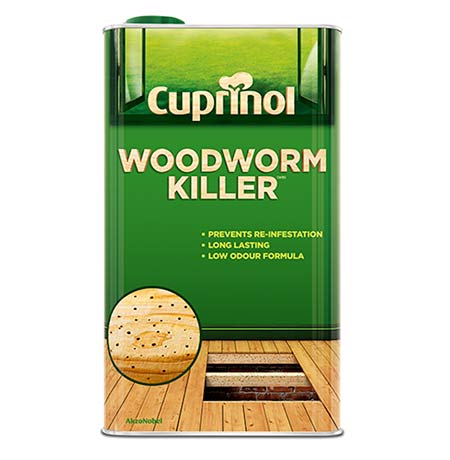
Cuprinol Woodworm Killer
Solving the Root of the Problem
Before treating any woodworm, tackle the root cause first. In most UK homes, infestations are linked to damp or moisture, which weakens timber and attracts wood-boring insects.
Moisture can come from hidden leaks, poor ventilation, or condensation, sometimes in places you wouldn’t expect. Check all possible sources, including roofs, pipes and external walls.
Once found, fix the problem thoroughly. Repairing leaks and improving ventilation will protect your timber and prevent woodworm from returning after treatment.
Normal Treatment – Surface Treatment
Surface treatment with a quality DIY woodworm killer is simple and effective for Common Furniture Beetles. Always start by reading the manufacturer’s instructions.
Apply the treatment evenly with a paintbrush, allowing it to soak into the timber. Most good products penetrate deeply, helping kill larvae beneath the surface. After the first coat, wait a few hours, then apply a second coat and a third if recommended. Follow drying times in the product guidelines, usually around 24 hours, before adding preservatives, paint, or varnish.
Surface treatments are less effective against pests like Death Watch Beetles, which bore deeper into wood. For best results, treat all surrounding timbers to prevent the infestation spreading.
Heavy Infestations
When woodworm damage is severe, surface treatments alone may not work. A heavy infestation is usually easy to spot, large clusters of exit holes, fine dust (frass) around the timber and signs of active beetles across a wide area.
In these cases, use a high-penetration gel insecticide, such as Lignum Pro Gel or another trusted brand. Gel treatments soak deeper into the wood, targeting larvae hidden far below the surface for a more complete kill.
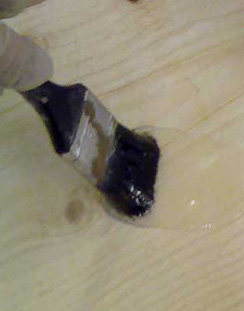
Brushing on gel Woodworm treatment
Infestation and Damp
Damp timber creates the perfect breeding ground for woodworm and other wood-boring insects. Before treating an infestation, you must first fix the source of the damp to stop it returning.
Once the cause is repaired, allow the wood to dry completely. Then apply a combined fungicidal and insecticidal wash to protect against mould, rot and future pests. Let this treatment dry fully before carrying out any further repairs or finishes.
Re-Entry Time After Treatment
Woodworm treatments often contain chemicals that can irritate skin or lungs. Always wear gloves, goggles, masks, and protective clothing when applying.
After treatment, the area must stay clear for a set “re-entry time” to let chemicals work and fumes clear. This period is set by the Health and Safety Executive (HSE).
Always follow the manufacturer’s recommended re-entry time to ensure it’s safe to return.
Caution
Most woodworm treatments contain chemicals like Permethrin, a VOC (volatile organic compound).
Permethrin can harm pets and wildlife and is deadly to fish even in tiny amounts.
Since many DIY products use Permethrin, always keep pets away during and after treatment.
House Longhorn Beetle Woodworm
The House Longhorn Beetle (Hylotrupes bajulus) is rare in the UK, found mainly in Surrey.
If you live in Surrey and spot signs of woodworm, get an accurate diagnosis of what infestation you actually have before starting treatment.
This beetle targets roof timbers made from softwood, creating much larger tunnels and holes than the Common Furniture Beetle and due to this, infestations can cause really serious structural damage.
If you suspect an infestation, contact your local council or a qualified pest control specialist immediately. You can also report it to the Building Research Establishment (BRE), who track its spread and publish updates across the Home Counties. View BRE reports here.
How to Get Rid of House Longhorn Beetle
Never tackle a House Longhorn Beetle infestation yourself. This pest can cause serious structural damage and must be treated by an experienced professional who can assess both the extent of the damage and the best treatment method.
To find a certified timber treatment expert, search for your nearest PCA Member (Property Care Association) by visiting the PCA website.
For official guidance on UK longhorn beetles, including species that are classed as notifiable pests, visit the Defra Plant Health Portal.
Death Watch Beetle Woodworm
The Death Watch Beetle may sound alarming, but it’s generally less common and less widespread than the destructive Longhorn Beetle.
In the UK, it’s mainly found in Southern England, with the North and Scotland rarely affected. This pest favours hardwoods such as oak and elm, especially imported timber like French oak, though it can also infest softwoods once established.
It thrives in damp or wet wood, particularly where fungal decay (wet rot) is present. These conditions are undesirable in any home, which is why infestations are relatively rare.
Unlike the Common Furniture Beetle, the Death Watch Beetle has a long life cycle, up to ten years in some cases, making control more challenging. While feeding, it can cause serious structural damage, especially to large load-bearing timbers.
How to Get Rid of Death Watch Beetle Woodworm
Death Watch Beetle larvae often leave timber hollow as they feed. To locate damage, gently tap the wood with a hammer, solid areas sound firm, while hollow sections give a dull tone.
Once you’ve identified weak spots, confirm the extent of the infestation by drilling small test holes (8–10mm) with an auger. This helps map out all affected areas.
After marking the problem zones, apply a high-quality gel-based woodworm treatment directly into the damaged timber. The gel penetrates deep, targeting larvae hidden within the wood.
For Larger Timbers
For thick structural timbers, drill 10mm holes stopping around 15mm from the opposite face. Follow an even drilling pattern, as shown in the example image.
Inject a high-strength gel or paste-based woodworm treatment into each hole. This ensures deep penetration, reaching larvae hidden far inside where surface sprays cannot.
Once treated, seal the holes with timber dowels and wipe away any excess paste. Learn how to make and fit timber dowels here.
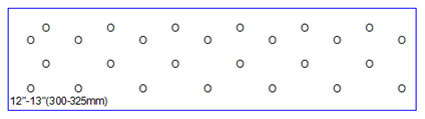
Example of a Drilling Guide for Treating Timber for Woodworm available from Property Repair Systems
Treat the Surface
When any surface paste has fully dried, apply 2–3 coats of high-quality timber preservative to the treated area and all nearby wood. Let each coat dry completely before adding the next.
This creates a long-lasting barrier that protects against future wood-boring insect attacks and keeps your timber strong.
Monitor Your Woodworm Treatment
Due to the Death Watch Beetle’s long life cycle, inspect affected timbers yearly for at least ten years. Look for fresh holes or frass, and reapply treatment if activity is found, following the methods above.
Important: Surface treatments alone won’t stop this pest, you must treat deep into the timber’s core.
If you’d prefer not to take on this work yourself, seek help from an experienced, reputable timber treatment professional.
Preventing Woodworm Re-Infestation
Inspect all timber once a year for fresh holes, frass (wood dust), or other signs of woodworm. If you spot activity, re-treat the affected areas immediately to stop the spread.
If you are in any doubt as to how to correctly treat your infestation and kill it off for good, always consult with trained professional pest expert for the correct advice.
This guide has provided practical advice on diagnosing and treating different woodworm species so you can protect your home from future damage.
If you are unsure about diagnosing or treating woodworm, contact a qualified specialist for expert advice. You can use the Property Care Association website to find a trusted local professional who can inspect your property and recommend the right treatment.

 DIY Doctor Ltd,
  0845 6342 179


